Lemon Meringue Pie: Classic Zesty Homemade Recipe Today
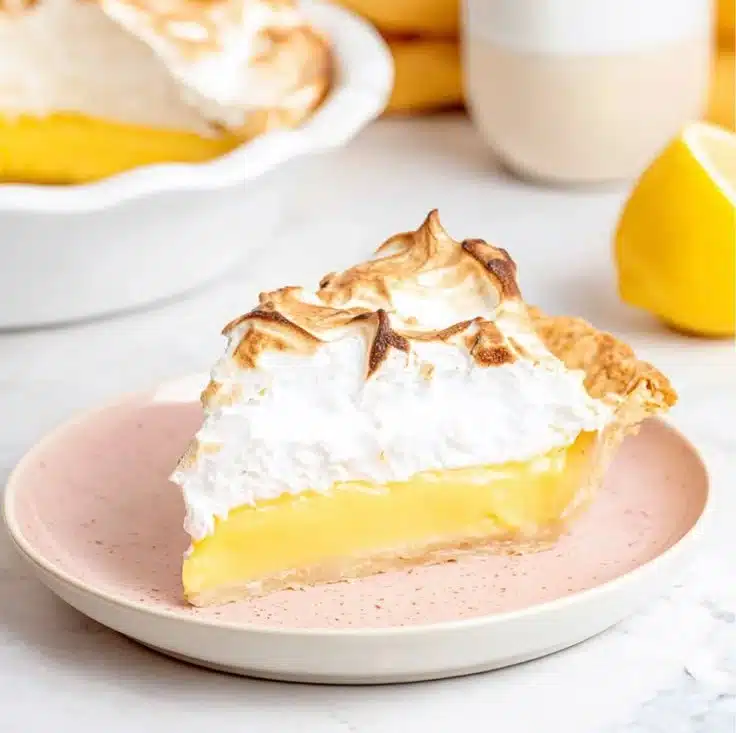
Lemon Meringue Pie is a bright, tart lemon custard baked in a crisp crust and topped with cloudlike meringue. This Lemon Meringue Pie delivers tangy lemon filling and glossy peaks of meringue for a balanced dessert that feels both nostalgic and refined. Pair this pie with a crisp salad or light roasted vegetable for contrast and texture when serving at brunch or dinner. For a fresh side, try a bright lemon salad like the asparagus salad with lemon vinaigrette to complement the pie.
| Prep Time | Cook Time | Total Time | Servings | Difficulty | Cuisine |
|---|---|---|---|---|---|
| 20 minutes | 40 minutes | 1 hour | 8 servings | Intermediate | American/Classic |
Why This Recipe Works
This recipe works because the lemon filling achieves the proper balance of acidity, sweetness, and silkiness that defines great Lemon Meringue Pie. I have tested this recipe until the filling reliably sets without curdling, yielding a custard that slices cleanly beneath the meringue.
This version uses cornstarch to thicken the filling and a tempered yolk technique to protect the eggs from scrambling while intensifying lemon flavor. I trust tested techniques from culinary resources and recommend reviewing food-safety guidance such as the USDA egg safety recommendations when handling raw whites and yolks.

Ingredients
The following ingredients produce a bright lemon custard and a stable meringue for a classic Lemon Meringue Pie.
| Ingredient | Quantity | Notes with alternatives |
|---|---|---|
| Pie crust | 1 (9-inch), pre-made or homemade | Use a blind-baked pastry crust for crispness; graham cracker crust is alternative |
| Granulated sugar | 1 cup + additional for meringue | Use superfine sugar for smoother meringue; can substitute half cane sugar |
| Cornstarch | 2 tablespoons | Thickens filling; arrowroot works but yields slightly glossier filling |
| Salt | 1/4 teaspoon | Enhances lemon brightness; reduce for low sodium needs |
| Water | 1 cup | Use filtered water for clean flavor |
| Large egg yolks | 3 | Temper yolks to create smooth custard; pasteurized eggs acceptable |
| Lemon juice | 1/4 cup (about 2 lemons) | Freshly squeezed yields best brightness; bottled lacks vibrancy |
| Lemon zest | 1 tablespoon | Use microplane for even zest; freeze zest for later use |
| Unsalted butter | 2 tablespoons | Adds richness; use salted if adjusting overall salt |
| Large egg whites | 3 | Bring to room temperature for greater volume |
| Cream of tartar | 1/4 teaspoon | Stabilizes meringue; substitute small pinch of lemon juice if unavailable |
| Additional sugar for meringue | About 1/2 cup to 3/4 cup, added gradually | Add slowly until meringue forms glossy stiff peaks |
Step-by-Step Instructions
Follow these steps to build the pie in logical phases and ensure predictable, excellent results for your Lemon Meringue Pie. Read each action and perform them in order for the best balance between filling set and meringue stability.
Prepare the crust
- Bake the pie crust according to package instructions until golden brown and set aside to cool slightly.
- Preheat the oven to 350°F (175°C) before starting the filling so the oven is ready for the final bake.
Make the lemon filling
- Combine sugar, cornstarch, and salt in a medium saucepan and whisk until evenly mixed.
- Gradually stir water into the dry mix until smooth to prevent lumps in the cooking stage.
- Cook the mixture over medium heat, stirring constantly, until the mixture thickens and becomes translucent.
- Whisk egg yolks in a separate bowl until slightly pale and smooth to prepare for tempering.
- Slowly add some of the hot sugar mixture into the whisked yolks while stirring continuously to temper the yolks and avoid curdling.
- Pour the tempered yolk mixture back into the saucepan and cook for another two minutes, continuing to stir for even heat distribution.
- Stir lemon juice, lemon zest, and butter into the thickened mixture until the butter melts and the filling becomes glossy.
- Pour the hot lemon filling into the baked crust and smooth the top for an even base under the meringue.
Make the meringue
- Beat egg whites and cream of tartar in a clean, dry bowl until soft peaks form, using a stand mixer or handheld whisk.
- Gradually add the additional sugar while continuing to beat the whites to form a glossy meringue with stiff peaks.
- Spread the meringue over the lemon filling immediately, ensuring the meringue seals to the edge of the crust to prevent weeping.
Bake and finish
- Bake the assembled pie in the preheated oven for about ten minutes or until the meringue develops a light golden color.
- Cool the pie on a wire rack until it reaches room temperature, then chill briefly to help the filling fully set before slicing.
Chef Tips for Perfect Results
These practical tips help you achieve even baking, stable meringue, and reliable filling set for Lemon Meringue Pie. Implement these professional techniques and you will consistently produce excellent pies.
- Use room-temperature egg whites for maximum volume when whipping; cold whites trap less air and yield a smaller meringue volume.
- Seal the meringue at the crust edge by spreading onto the hot lemon filling and pressing down slightly to reduce weeping during baking.
- Add sugar gradually to the whites while beating to ensure the sugar dissolves completely, producing glossy, stable peaks.
- Blind-bake the crust until golden to prevent a soggy bottom; pricking the crust and using pie weights improves even browning.
- Refer to trusted technique guides such as the Serious Eats meringue science when troubleshooting meringue stability and peak formation.
- Rest the finished pie at room temperature before chilling; sudden temperature shocks can cause the meringue to weep or separate.
Common Mistakes to Avoid
Awareness of common pitfalls prevents texture and appearance issues when making Lemon Meringue Pie. Avoid these errors and follow the corrective actions to save a delicate bake.
- Overcooking the filling causes grainy texture; fix this by reducing heat and stirring constantly until just thickened, then remove from heat promptly.
- Introducing any yolk into the whites prevents them from whipping properly; fix by separating eggs one at a time and using clean bowls and utensils.
- Underbaking the crust yields a soggy base; fix by blind-baking until the crust turns golden and using a rack to cool before adding the filling.
- Applying meringue to a cold filling can cause separation and weeping; fix by spreading meringue on hot filling so the underside cooks and seals.
- Adding sugar too quickly to whites makes the meringue gritty; fix by sprinkling sugar gradually while whipping at medium speed for dissolution.
Variations and Substitutions
These substitutions adapt Lemon Meringue Pie for flavor preferences, dietary needs, or ingredient availability while explaining the impact on taste and texture.
| Ingredient | Substitution | Impact on Flavor |
|---|---|---|
| Lemon juice | Lime juice | Sharper, more floral acidity that brightens the filling differently than lemon. |
| Cornstarch | Arrowroot or tapioca starch | Produces a clearer, glossier filling with similar thickening power, slightly different mouthfeel. |
| Granulated sugar | Half brown sugar and half white | Introduces caramel notes and deeper color, which can mute lemon brightness slightly. |
| Pie crust | Graham cracker crust | Adds honeyed, crunchy base and pairs well with citrus, changing classic pastry texture. |
| Cream of tartar | Small amount of lemon juice or vinegar | Stabilizes meringue with minor flavor shift toward more tartness if used in larger amounts. |
Serving Suggestions and Pairings
Serve Lemon Meringue Pie chilled or at room temperature for the best texture and flavor contrast. This pie pairs well with light, savory sides and beverages that cut richness and refresh the palate.
Pair the pie with herb-forward roasted potatoes for a brunch spread, such as the complementary Greek lemon garlic roasted potatoes, which echo the citrus notes. Serve with lightly brewed tea, sparkling water with lemon, or a dry Riesling for balanced acidity at dessert-focused dinners. For casual gatherings, propose slices alongside simple fruit salads or a scoop of vanilla ice cream for creaminess contrast.
Storage and Reheating
Proper storage preserves the texture and flavor of Lemon Meringue Pie for several days. Reheat only when necessary and follow the instructions to protect meringue peaks.
| Method | Duration | Instructions |
|---|---|---|
| Room temperature | 2 hours | Leave covered on countertop for short display; avoid warm direct sunlight. |
| Refrigerator | 2 to 3 days | Cover loosely with plastic wrap to protect meringue; chill upright to prevent crushing. |
| Freezer (not recommended) | Not recommended | Meringue texture suffers when frozen; consider freezing filling separately if necessary. |
| Reheating slice | 10-15 minutes at low heat | Warm gently in a 275°F oven for a few minutes to remove chill without melting meringue peaks. |
Nutritional Information
Approximate values are provided for a typical slice when the pie is divided into eight equal servings. Values vary with crust type and exact measurements, so use these as a guideline only.
| Nutrient | Amount per Serving |
|---|---|
| Calories | 360 kcal (Approximate values.) |
| Total Fat | 15 g (Approximate values.) |
| Saturated Fat | 6 g (Approximate values.) |
| Carbohydrates | 52 g (Approximate values.) |
| Sugars | 34 g (Approximate values.) |
| Protein | 4 g (Approximate values.) |
| Sodium | 140 mg (Approximate values.) |

Frequently Asked Questions
This FAQ section answers practical questions about substitutions, doneness, troubleshooting, make-ahead strategies, and serving Lemon Meringue Pie. Each answer gives concise, actionable guidance for home bakers.
Can I use bottled lemon juice instead of fresh lemon juice?
Yes, you can use bottled lemon juice, but fresh lemon juice produces brighter, more complex flavor in Lemon Meringue Pie. Bottled juice often lacks volatile aromatics and can make the filling taste flatter. If using bottled juice, increase zest slightly to boost fresh lemon character.
How do I know when the lemon filling is fully cooked and set?
Cook the filling until it thickly coats the back of a spoon and holds a defined path when stirred, which indicates proper gelatinization. After tempering and returning to the saucepan, maintain a simmer for about two minutes to activate the cornstarch. Chill briefly after pouring into the crust to let the filling finish setting.
Why did my meringue weep and how do I stop it?
Meringue weeps when moisture separates from the foam, often because the meringue did not seal to the filling or sugar was not fully dissolved. Fix by pressing the meringue to the crust edge to form a seal and ensure sugar is added gradually while beating until glossy. Also avoid refrigerating a hot pie directly, as temperature swing promotes condensation.
Can I make Lemon Meringue Pie ahead of time?
Yes, you can make the lemon filling and crust a day ahead and store them separately in the refrigerator to assemble and bake the meringue on the serving day. Meringue is best when baked and served the same day to retain peak texture and appearance. If necessary, assemble and chill briefly, then bake the meringue just before serving for the best finish.
What is the best temperature for storing leftover slices?
Store leftover Lemon Meringue Pie slices in the refrigerator at standard chilled temperatures and consume within two to three days. Cover loosely to protect meringue but avoid airtight containers that can compress the peaks. When reheating, warm gently to avoid collapsing the meringue structure.
Conclusion
Lemon Meringue Pie rewards careful technique with bright lemon filling and marshmallow-like meringue that complement each other beautifully. Mastering tempering and meringue whipping ensures consistent results and a pie that slices cleanly while showcasing signature lemon flavor. Enjoy the balance of tart citrus and airy sweetness every time you make this classic dessert.

Ingredients
For the crust
- 1 9-inch Pie crust Pre-made or homemade; use a blind-baked pastry crust for crispness; graham cracker crust is an alternative.
For the lemon filling
- 1 cup Granulated sugar Use superfine sugar for smoother meringue; can substitute half cane sugar.
- 2 tablespoons Cornstarch Thickens filling; arrowroot works but yields slightly glossier filling.
- 1/4 teaspoon Salt Enhances lemon brightness; reduce for low sodium needs.
- 1 cup Water Use filtered water for clean flavor.
- 3 large Egg yolks Temper yolks to create smooth custard; pasteurized eggs acceptable.
- 1/4 cup Lemon juice Freshly squeezed yields best brightness; bottled lacks vibrancy.
- 1 tablespoon Lemon zest Use microplane for even zest; freeze zest for later use.
- 2 tablespoons Unsalted butter Adds richness; use salted if adjusting overall salt.
For the meringue
- 3 large Egg whites Bring to room temperature for greater volume.
- 1/4 teaspoon Cream of tartar Stabilizes meringue; substitute small pinch of lemon juice if unavailable.
- 1/2 to 3/4 cup Additional sugar for meringue Add gradually until meringue forms glossy stiff peaks.
Instructions
Preparation
- Bake the pie crust according to package instructions until golden brown and set aside to cool slightly.
- Preheat the oven to 350°F (175°C) before starting the filling.
Make the lemon filling
- Combine sugar, cornstarch, and salt in a medium saucepan and whisk until evenly mixed.
- Gradually stir water into the dry mix until smooth.
- Cook the mixture over medium heat, stirring constantly, until it thickens and becomes translucent.
- Whisk egg yolks in a separate bowl until slightly pale and smooth.
- Slowly add hot sugar mixture into the whisked yolks to temper them.
- Pour the tempered yolk mixture back into the saucepan and cook for another two minutes, stirring.
- Stir in lemon juice, lemon zest, and butter until the butter melts.
- Pour the hot lemon filling into the baked crust and smooth the top.
Make the meringue
- Beat egg whites and cream of tartar until soft peaks form.
- Gradually add additional sugar while continuing to beat until glossy meringue with stiff peaks forms.
- Spread the meringue over the lemon filling, ensuring it seals to the edge of the crust.
Bake and finish
- Bake the pie in the preheated oven for about ten minutes or until the meringue is golden.
- Cool the pie on a wire rack until room temperature, then chill briefly before slicing.