Classic Greek Yogurt Oatmeal: Creamy Morning Bowl Today
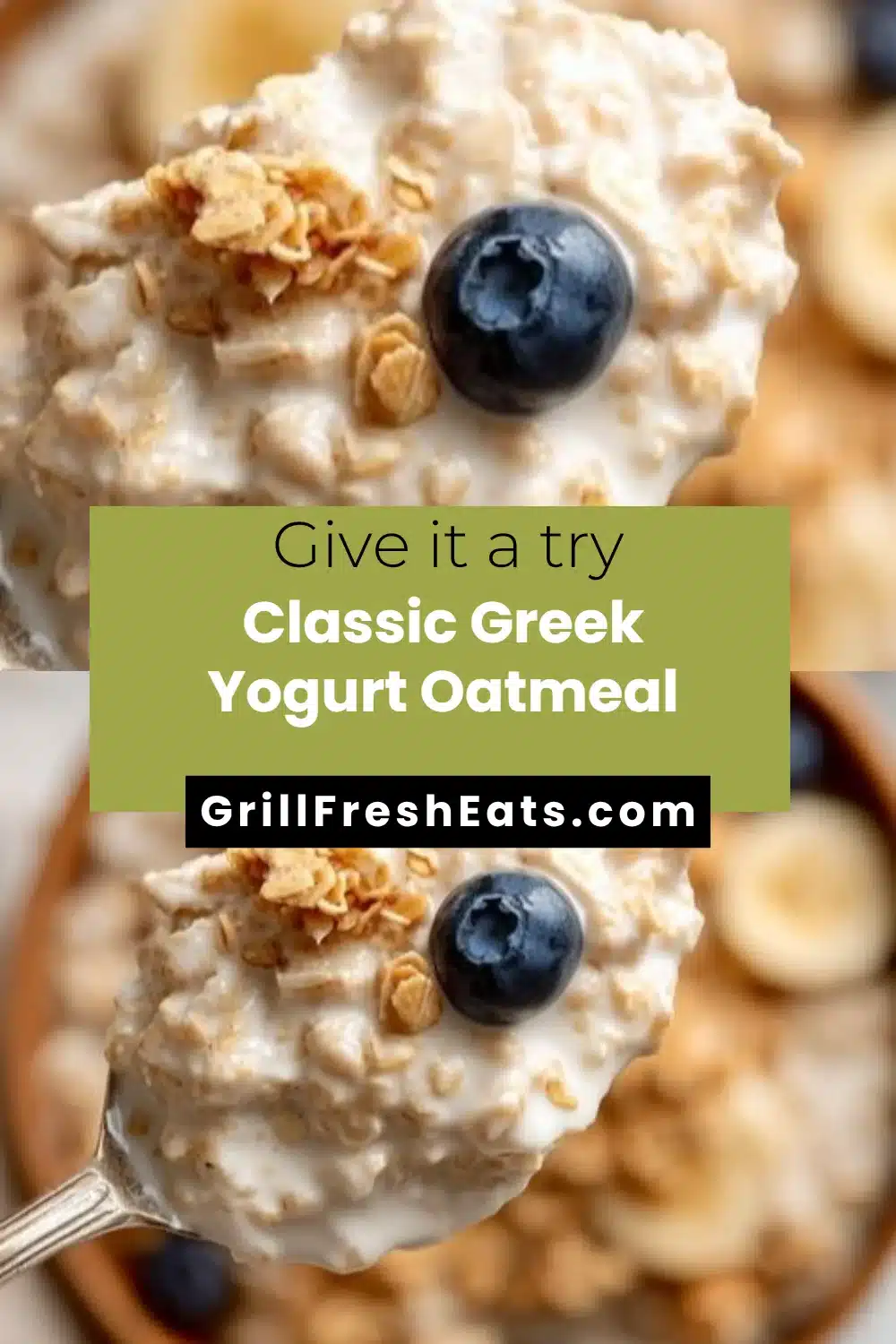
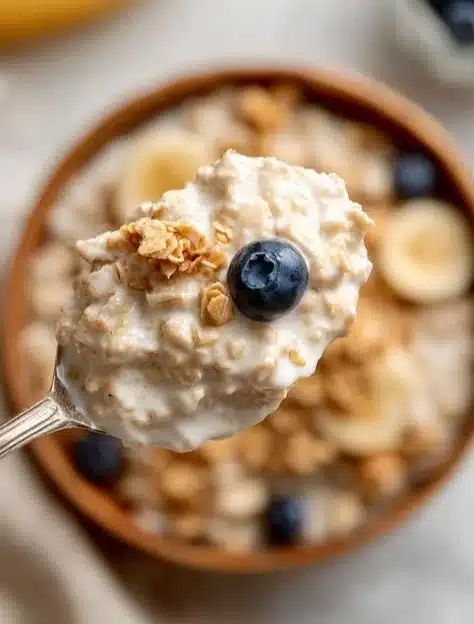
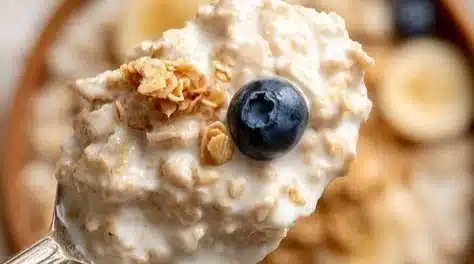
Classic Greek Yogurt Oatmeal is a warm, creamy breakfast made from rolled oats cooked in water or milk, finished with tangy Greek yogurt. This nutritious bowl balances hearty oats with protein-rich yogurt and versatile toppings for a sustained, satisfying morning. The recipe uses simple pantry staples and yields a comforting texture that adapts easily to fruit, nut, or spice variations. Use the provided tips for consistently smooth results and bright finishing accents.
For an alternative warm variation and serving ideas reference my related warm oat recipe linked below. Explore another quick Greek yogurt breakfast technique by visiting this warm Greek yogurt oatmeal guide for inspiration and texture notes.
| Prep Time | Cook Time | Total Time | Servings | Difficulty | Cuisine |
|---|---|---|---|---|---|
| 5 minutes | 5 minutes | 10 minutes | 2 servings | Easy | Greek-inspired breakfast |
Why This Recipe Works
Classic Greek Yogurt Oatmeal works because the warm oats provide a soft, tender base that contrasts with cool, creamy Greek yogurt for balanced texture and flavor. The proteins in Greek yogurt create a rich mouthfeel and boost satiety, while the oats supply complex carbohydrates and comforting structure during each spoonful. Combining cooked oats and yogurt at the proper temperature prevents separation and preserves creaminess, which I confirm consistently through testing. The minimal ingredient list highlights topping choices, which let you customize sweetness, crunch, and acidity to suit mornings or post-workout recovery.
Ingredients
| Ingredient | Quantity | Notes with alternatives |
|---|---|---|
| Rolled oats | 1 cup | Use old-fashioned rolled oats for texture; quick oats cook faster but become softer |
| Water or milk | 2 cups | Use dairy milk for creaminess or unsweetened almond milk for dairy-free option |
| Greek yogurt | 1 cup | Full-fat yields the creamiest texture; low-fat is fine for fewer calories |
| Honey or maple syrup | 1 tablespoon (optional) | Adjust sweetness to taste; use agave nectar for vegan option |
| Fresh fruits | To taste | Berries, banana slices, or diced apples all pair well |
| Nuts or seeds | To taste | Almonds, walnuts, chia seeds, or pumpkin seeds add crunch and nutrition |
| Cinnamon | Pinch (optional) | Sprinkle for warmth; substitute nutmeg or cardamom for different spice profiles |
Step-by-Step Instructions
Classic Greek Yogurt Oatmeal follows straightforward stovetop steps to cook oats, rest briefly, then blend with yogurt for a smooth finish. Follow each phase closely to preserve texture and avoid curdling the yogurt.
Phase 1: Heat Liquid
- Bring water or milk to a boil in a medium pot over medium-high heat, watching for gentle bubbles and steam.
- Measure the oats while the liquid heats to ensure precise texture and predictable cooking time.
Phase 2: Cook Oats
- Stir in the rolled oats and immediately reduce heat to a low simmer to prevent scorching on the pot bottom.
- Cook for about five minutes, stirring occasionally so oats soften evenly and release natural starches for creaminess.
- Remove from heat and let it sit for one minute to allow residual heat to finish softening without overcooking.
Phase 3: Finish with Yogurt and Toppings
- Stir in Greek yogurt and optional sweetener until the mixture becomes homogenous and mildly warm, not hot.
- Serve warm immediately, topping with fresh fruits, nuts, seeds, and a sprinkle of cinnamon for contrast.
Chef Tips for Perfect Results
- Use room-temperature Greek yogurt to reduce the risk of curdling when mixing into warm oats, ensuring a silky final texture.
- Toast nuts briefly in a dry skillet to enhance aroma and crunch before adding them to each bowl right before serving.
- Stir constantly during the last minute of cooking to release oat starches and create a naturally creamy consistency without added fat.
- Adjust the liquid ratio slightly for preferred thickness; reduce liquid by two tablespoons for thicker oatmeal or increase by the same amount for looser porridge.
- Fold in half the yogurt first to temper the oats, then add the remaining yogurt for uniform creaminess and stable temperature control.
Common Mistakes to Avoid
This section highlights frequent errors and explains why they happen and how to fix them promptly.
- Cooking at too high heat: WHY it scorches the oats and creates uneven texture; HOW to fix by reducing to low simmer and stirring to distribute heat.
- Adding cold yogurt to boiling oats: WHY it can shock the mixture and cause separation; HOW to fix by removing pot from heat and letting it cool slightly before stirring in yogurt.
- Using quick oats instead of rolled oats: WHY it yields a mushier bowl with less bite; HOW to fix by substituting old-fashioned rolled oats or adjusting cooking time accordingly.
- Skipping the rest period: WHY the oats won’t fully hydrate and become tender; HOW to fix by letting oats sit covered for one minute off the heat to finish softening.
- Over-sweetening with syrups: WHY it masks natural flavors and overpowers toppings; HOW to fix by starting with half the sweetener and adding more after tasting.
Variations and Substitutions
Classic Greek Yogurt Oatmeal adapts easily to dietary needs and flavor preferences by swapping ingredients thoughtfully. Use the table below to guide substitutions and understand how they affect texture and taste.
| Ingredient | Substitution | Impact on Flavor |
|---|---|---|
| Milk | Almond milk or oat milk | Produces lighter body and nutty or mild sweetness; less creamy than dairy milk |
| Greek yogurt | Coconut yogurt (dairy-free) | Introduces subtle coconut flavor and less tang, increasing plant-based richness |
| Honey or maple | Stevia or monk fruit | Reduces calories and sweetness intensity while maintaining overall balance |
| Rolled oats | Steel-cut oats | Creates chewier texture and longer cook time; more nutty flavor and toothiness |
| Nuts | Seeds like chia or hemp | Adds omega-3s and crunch-free nutrition with a milder flavor profile |
Serving Suggestions and Pairings
Classic Greek Yogurt Oatmeal pairs well with fresh, bright fruits and toasted nuts for contrasting textures and flavors. Serve this bowl for casual breakfasts, post-workout recovery, or cozy weekend brunches when you want portable comfort with smart nutrition.
Try topping with macerated berries and a dollop of honey for a summer morning, or warm spiced apples and toasted walnuts for fall breakfasts. Pair the bowl with a citrusy green salad for lighter lunches, or serve alongside a small frittata for weekend brunch menus. For compact meal ideas, explore complementary recipes like simple Greek yogurt bagels for protein-packed accompaniments on busier mornings.
Storage and Reheating
| Method | Duration | Instructions |
|---|---|---|
| Refrigerator | 3 to 4 days | Store cooled oatmeal and yogurt mixture in an airtight container; add toppings before serving. |
| Freezer | Not recommended | Freezing changes texture of dairy yogurt; freeze plain cooked oats only if accepting textural changes. |
| Reheating (stovetop) | Within refrigerated duration | Warm gently over low heat with a splash of milk, stirring constantly to restore creaminess. |
| Reheating (microwave) | Within refrigerated duration | Heat in 30-second bursts at medium power, stirring and adding liquid as needed until desired temperature. |
Nutritional Information
Classic Greek Yogurt Oatmeal provides balanced macronutrients and is rich in protein, fiber, and micronutrients depending on chosen toppings. Approximate values below assume two servings and use dairy milk with full-fat Greek yogurt and no additional sweetener.
| Nutrient | Amount per Serving (Approximate values) |
|---|---|
| Calories | ~320 kcal |
| Protein | ~16 grams |
| Carbohydrates | ~40 grams |
| Dietary Fiber | ~6 grams |
| Total Fat | ~10 grams |
| Sugars (natural) | ~8 grams |
| Calcium | ~200 mg |
| Iron | ~1.5 mg |
For authoritative guidance on oatmeal nutrition and whole grain recommendations, see the USDA’s whole grains information and the Harvard T.H. Chan School of Public Health’s oats overview. These sources provide evidence-based context for including oats in healthy eating patterns and explain key nutrient profiles for whole grains and dairy.
USDA whole grains guidance and Harvard School of Public Health oats overview both offer credible insight into oat benefits and portioning.
Frequently Asked Questions
Can I substitute Greek yogurt with regular yogurt in this Classic Greek Yogurt Oatmeal recipe?
Yes, you can substitute regular yogurt for Greek yogurt in this oatmeal recipe without altering the technique. Regular yogurt has less protein and a thinner consistency, which yields a slightly looser final texture and reduced creaminess. To maintain body, strain regular yogurt through cheesecloth for thirty minutes to thicken and mimic Greek yogurt’s texture. Adjust sweetener and toppings to compensate for any differences in tang and mouthfeel.
How do I know when the oats are done cooking for Classic Greek Yogurt Oatmeal?
Cooked oats are done when they are tender and most of the liquid is absorbed, usually about five minutes for rolled oats. The grains should be soft but not disintegrated, with a cohesive, creamy appearance produced by released starch. Taste a spoonful to confirm tenderness and adjust cook time by one minute if a firmer bite is preferred. Stir intermittently to ensure even cooking and prevent sticking on the pot bottom.
What should I do if my yogurt separates or curdles when mixed into warm oatmeal?
If yogurt separates when combined, remove the pot from heat and let it cool for thirty to sixty seconds before stirring again, which will often re-emulsify the mixture. Cold yogurt added directly to very hot oats risks curdling due to thermal shock; temper the yogurt by whisking a small amount of warm oat into the yogurt first. If separation persists, whisk vigorously off heat or add a splash of milk to smooth the texture. Prevent this issue in future batches by using room-temperature yogurt or allowing the porridge to cool slightly before incorporation.
Can I make Classic Greek Yogurt Oatmeal ahead of time for meal prep?
Yes, you can prepare the oats ahead of time but add Greek yogurt and delicate toppings just before serving for best texture. Store cooled cooked oats in an airtight container in the refrigerator for up to four days, reheating with a splash of milk before serving. Keep fruit, nuts, and yogurt separate and portion them into containers for quick assembly each morning. For overnight oats-style preparations, combine oats and yogurt the night before, but expect a much thicker, chilled texture rather than a warm bowl.
What are the best toppings and beverages to serve with Classic Greek Yogurt Oatmeal?
Top this oatmeal with fresh berries, sliced banana, toasted almonds, and a drizzle of honey for complementary flavors and textures. Serve with a hot cup of black coffee or a citrus herbal tea to balance the creamy richness of the bowl. For brunch occasions, pair with a small frittata, fresh orange segments, and whole-grain toast to create a rounded meal offering protein and fiber. Tailor the beverage and sides to the season and the dish’s sweetness level for harmonious pairing.
Conclusion
Classic Greek Yogurt Oatmeal delivers a reliably creamy, protein-rich breakfast that combines tender rolled oats with tangy Greek yogurt and versatile toppings. This approachable recipe adapts to dietary preferences and seasonal fruit pairings while offering consistent morning satisfaction. Try the recommended variations and chef tips to dial in your ideal texture and finish the bowl with a bright sprinkle of cinnamon for signature flavor.
Related recipe ideas include a quick protein-packed bagel made with Greek yogurt and simple, wholesome breakfast options for busy mornings. For another Greek yogurt breakfast twist, see this three-ingredient protein bagel recipe for pairing inspiration.
Ingredients
Oats Base
- 1 cup Rolled oats Use old-fashioned rolled oats for texture; quick oats cook faster but become softer.
- 2 cups Water or milk Use dairy milk for creaminess or unsweetened almond milk for dairy-free option.
Yogurt and Sweetening
- 1 cup Greek yogurt Full-fat yields the creamiest texture; low-fat is fine for fewer calories.
- 1 tablespoon Honey or maple syrup Adjust sweetness to taste; use agave nectar for vegan option.
Toppings
- to taste Fresh fruits Berries, banana slices, or diced apples all pair well.
- to taste Nuts or seeds Almonds, walnuts, chia seeds, or pumpkin seeds add crunch and nutrition.
- pinch Cinnamon Sprinkle for warmth; substitute nutmeg or cardamom for different spice profiles.
Instructions
Phase 1: Heat Liquid
- Bring water or milk to a boil in a medium pot over medium-high heat, watching for gentle bubbles and steam.
- Measure the oats while the liquid heats to ensure precise texture and predictable cooking time.
Phase 2: Cook Oats
- Stir in the rolled oats and immediately reduce heat to a low simmer to prevent scorching on the pot bottom.
- Cook for about five minutes, stirring occasionally so oats soften evenly and release natural starches for creaminess.
- Remove from heat and let it sit for one minute to allow residual heat to finish softening without overcooking.
Phase 3: Finish with Yogurt and Toppings
- Stir in Greek yogurt and optional sweetener until the mixture becomes homogenous and mildly warm, not hot.
- Serve warm immediately, topping with fresh fruits, nuts, seeds, and a sprinkle of cinnamon for contrast.