Homemade Grilled Asparagus: Simple Charred Lemon Recipe
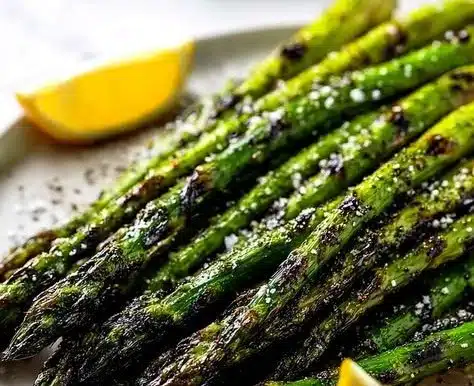
Homemade Grilled Asparagus is tender asparagus spears charred on a hot grill and finished with bright lemon juice. The method uses one bunch of fresh asparagus, olive oil, salt, pepper, and fresh lemon to create a quick, vibrant side. This recipe produces crisp-tender spears with attractive grill marks and a lively citrus lift for any meal. For a garlic-forward variation, try my take on grilled asparagus with lemon and garlic.
| Prep Time | Cook Time | Total Time | Servings | Difficulty | Cuisine |
|---|---|---|---|---|---|
| 10 minutes | 5-7 minutes | 15-20 minutes | 2-4 | Easy | Grill / American |
Why This Recipe Works
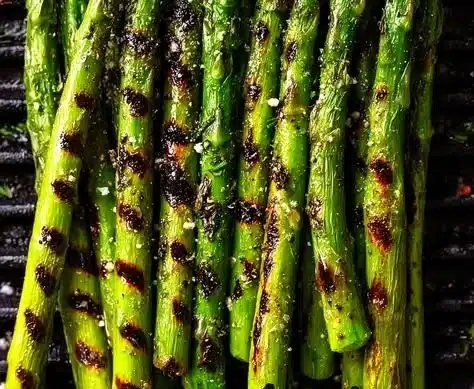
Homemade Grilled Asparagus works because high heat quickly caramelizes the exterior while preserving a tender interior. I find that a hot grill sears the tips and stalks, concentrating natural sweetness and adding an appealing smoky note. When I toss spears lightly in olive oil and season simply, the asparagus roasts evenly and develops uniform char marks. Finishing with fresh lemon juice brightens the finish and balances the charred sweetness.
I rely on this straightforward technique for weeknight dinners and special gatherings where speed and flavor both matter. From my experience, trimming only the woody ends keeps most of each spear usable and reduces waste. The minimal ingredient list highlights asparagus itself while allowing flexible pairings across proteins and grains. This recipe consistently yields crisp-tender asparagus with minimal fuss or equipment.

Ingredients
Homemade Grilled Asparagus requires only a handful of pantry staples and one fresh bunch of asparagus. The simplicity makes it easy to adapt to other seasonings or toppings, while maintaining the signature grilled flavor.
| Ingredient | Quantity | Notes with alternatives |
|---|---|---|
| Fresh asparagus | 1 bunch | Choose firm stalks with closed tips; thin stalks cook faster than thick ones |
| Olive oil | 2 tablespoons | Use extra-virgin for flavor, or avocado oil for higher smoke point |
| Salt | To taste | Kosher salt for even seasoning; sea salt flakes at the end for texture |
| Black pepper | To taste | Freshly ground black pepper; substitute crushed red pepper for heat |
| Lemon, juiced | 1 lemon | Fresh lemon juice brightens the dish; orange juice adds sweeter citrus notes |
Step-by-Step Instructions
Homemade Grilled Asparagus cooks quickly and benefits from straightforward, sequential steps that prioritize heat, trimming, and finishing. Follow the numbered actions exactly to ensure even cooking and vibrant flavor.
Prep
- Preheat the grill to medium-high heat.
- Trim the tough ends off the asparagus spears.
- Toss the asparagus with olive oil, salt, and pepper in a bowl.
Grilling
- Place the asparagus on the grill and cook for about 5-7 minutes, turning occasionally until tender and slightly charred.
- Remove from the grill and squeeze fresh lemon juice over the top before serving.
Chef Tips for Perfect Results
Homemade Grilled Asparagus benefits from small technique choices that maximize texture and flavor. Use these chef-tested tips to consistently achieve crisp-tender spears with even char.
- Pick even stalks: Choose asparagus with uniform thickness to ensure all spears finish simultaneously and avoid overcooking thin stalks.
- Dry thoroughly: Pat asparagus dry before oiling to prevent steaming and promote direct contact with the grill grates for better sear marks.
- Oil sparingly: Use just enough olive oil to coat the spears evenly, preventing flare-ups while encouraging caramelization.
- Keep movement gentle: Turn spears with tongs every two minutes to develop even char without shredding delicate tips.
- Finish with acid: Squeeze lemon at the end to wake up flavors; the acid brightens and balances the smoky, savory notes.
Common Mistakes to Avoid
Homemade Grilled Asparagus avoids common pitfalls when you recognize what causes uneven cooking or bland results. Below are frequent mistakes with clear explanations and fixes.
- Overcrowding the grill: Why it hurts – crowded spears steam instead of char, resulting in limp texture. How to fix – grill in a single layer with space between spears for direct heat contact.
- Skipping the trim: Why it hurts – leftover woody ends remain tough and unpleasant to eat. How to fix – snap or cut the ends where they naturally break to remove fibrous portions.
- Using too much oil: Why it hurts – excess oil causes flare-ups and greasy spears. How to fix – toss lightly to coat, wiping away excess if necessary before grilling.
- Grilling at low heat: Why it hurts – insufficient heat prevents caramelization and causes soggier spears. How to fix – preheat to medium-high to ensure searing and quick cooking.
- Seasoning after cooking only: Why it hurts – salt applied only after may not penetrate, leaving flat seasoning. How to fix – season lightly before grilling and finish with flaky sea salt if desired.
Variations and Substitutions
Homemade Grilled Asparagus adapts well to toppings and substitutions that change texture and flavor while keeping the grilling method intact. Use the table to match common swaps to expected taste differences.
| Ingredient | Substitution | Impact on Flavor |
|---|---|---|
| Olive oil | Avocado oil | Neutral flavor with higher smoke point, produces cleaner char without olive notes |
| Lemon juice | Balsamic glaze | Adds sweet tang and deeper color, creating a richer finish |
| Salt | Parmesan cheese | Introduces savory umami and added texture when grated over hot spears |
| Pepper | Crushed red pepper flakes | Contributes heat and complexity instead of standard black pepper bite |
For a crisp, cheesy finish, try pairing the grilled spears with grated parmesan or the foil method described in this alternative approach to get an extra savory crust, as shown in grilled asparagus in foil with parmesan.
Serving Suggestions and Pairings
Homemade Grilled Asparagus pairs beautifully with grilled proteins, bright salads, and simple starches to create balanced plates for any occasion. Below are specific pairings and ideal occasions to serve them.
- Grilled steak or pork chops for a backyard barbecue: serve spears alongside charred meat, chimichurri, and roasted potatoes for a hearty summer meal.
- Pan-seared salmon or lemon-herb chicken for weeknight dinners: combine the bright lemon on the asparagus with a matching citrus pan sauce.
- Spring brunch with soft-poached eggs and hollandaise: position spears on toasted bread with eggs for an elegant brunch plate.
- Casual dinners with garlic-buttered bread: enhance the asparagus by serving with garlic bread and a light grain salad, or explore the garlic-forward preparation at grilled asparagus with garlic butter.
Storage and Reheating
Homemade Grilled Asparagus stores well when cooled properly and reheated gently to preserve texture and flavor. Use airtight containers and quick reheating methods to maintain crisp-tender quality.
| Method | Duration | Instructions |
|---|---|---|
| Refrigerator | 3-4 days | Cool quickly, place in airtight container, and chill within two hours of cooking. |
| Freezer | 1-2 months | Blanch briefly first, then freeze in single layer; thaw in refrigerator before reheating. |
| Reheating (Oven) | 5-10 minutes | Reheat at 350°F on a sheet pan until warmed through to preserve texture. |
| Reheating (Skillet) | 3-5 minutes | Warm over medium heat with a splash of oil or butter, turning until heated but not soggy. |
For food safety and proper storage guidelines, refer to authoritative resources such as the USDA on refrigerated storage and handling of cooked vegetables. USDA guidance offers trusted timelines and safety practices.
Nutritional Information
Homemade Grilled Asparagus provides low-calorie nutrients while delivering fiber and vitamins in a concentrated form. Approximate values per serving are listed so you can add the dish into meal planning and nutrition tracking.
| Nutrient | Amount per Serving |
|---|---|
| Calories | Approximately 60 kcal |
| Total Fat | Approximately 6 g |
| Carbohydrates | Approximately 4 g |
| Protein | Approximately 3 g |
| Dietary Fiber | Approximately 2 g |
| Vitamin K | Approximately 25% Daily Value |
| Vitamin C | Approximately 10% Daily Value |
For detailed nutrient profiles and variations based on portion size, consult a comprehensive nutrition database such as the USDA FoodData Central for asparagus values. USDA FoodData Central provides exact breakdowns by serving size.
Frequently Asked Questions
Homemade Grilled Asparagus answers common questions about substitutions, doneness, troubleshooting, make-ahead plans, and serving quantities. Each response provides direct guidance to solve typical concerns.
Can I substitute lemon with something else for grilled asparagus?
Yes, you can substitute lemon with other acidic or flavorful finishes. Balsamic glaze adds sweet tang, while a light drizzle of white wine vinegar provides sharp brightness without citrus. Orange juice provides sweeter citrus notes and pairs well with honey-glazed preparations. Choose the substitute to match the main course or desired flavor profile.
How do I know when grilled asparagus is done?
Done means the spears are crisp-tender with slight char and a fork slides in with gentle resistance. Check by piercing the thickest part; it should be tender but not mushy, usually after five to seven minutes. Thinner asparagus cooks faster and may be ready in as little as three minutes. Remove promptly to stop carryover cooking and preserve texture.
What should I do if my asparagus becomes soggy or burnt?
If asparagus becomes soggy, you likely overcrowded the grill or used too little heat, causing steaming instead of searing. Fix by increasing grill temperature, spreading spears in a single layer, and reducing oil to avoid steaming. If spears burn, reduce direct heat and move them to a cooler part of the grill to finish cooking. Trim away charred ends before serving for better presentation.
Can I make grilled asparagus ahead of time for a party?
Yes, you can grill asparagus ahead and reheat gently before serving to save time on the day of your event. Grill until just tender and slightly charred, cool quickly, and store in an airtight container refrigerated for up to four days. Reheat briefly in a hot oven or skillet to refresh grill marks and warmth, adding fresh lemon juice before serving. Plan to finish with a final seasoning touch to revive flavors.
How much grilled asparagus should I serve per person?
Serve approximately four to six spears per person as a side when paired with other vegetables and starches. Increase to eight to ten spears per person when asparagus is the primary vegetable or when serving fewer side dishes. Adjust based on appetite and the presence of larger or smaller stalks in your bunch. Consider two-thirds of a bunch for small gatherings of two to three diners.
Conclusion
Homemade Grilled Asparagus delivers a quick, flavorful side that showcases fresh asparagus with simple pantry ingredients. The method focuses on high heat, light oiling, correct trimming, and a finishing squeeze of lemon for balanced brightness. Try this recipe as a reliable complement to grilled meats, seafood, or a relaxed family meal for crisp-tender, lemon-kissed spears every time.
Ingredients
Main Ingredients
- 1 bunch Fresh asparagus Choose firm stalks with closed tips; thin stalks cook faster than thick ones.
- 2 tablespoons Olive oil Use extra-virgin for flavor, or avocado oil for higher smoke point.
- To taste Salt Kosher salt for even seasoning; sea salt flakes at the end for texture.
- To taste Black pepper Freshly ground black pepper; substitute crushed red pepper for heat.
- 1 lemon Lemon, juiced Fresh lemon juice brightens the dish; orange juice adds sweeter citrus notes.
Instructions
Preparation
- Preheat the grill to medium-high heat.
- Trim the tough ends off the asparagus spears.
- Toss the asparagus with olive oil, salt, and pepper in a bowl.
Grilling
- Place the asparagus on the grill and cook for about 5-7 minutes, turning occasionally until tender and slightly charred.
- Remove from the grill and squeeze fresh lemon juice over the top before serving.