Cantonese Fried Noodles: A Flavorful Delight with Vegetables
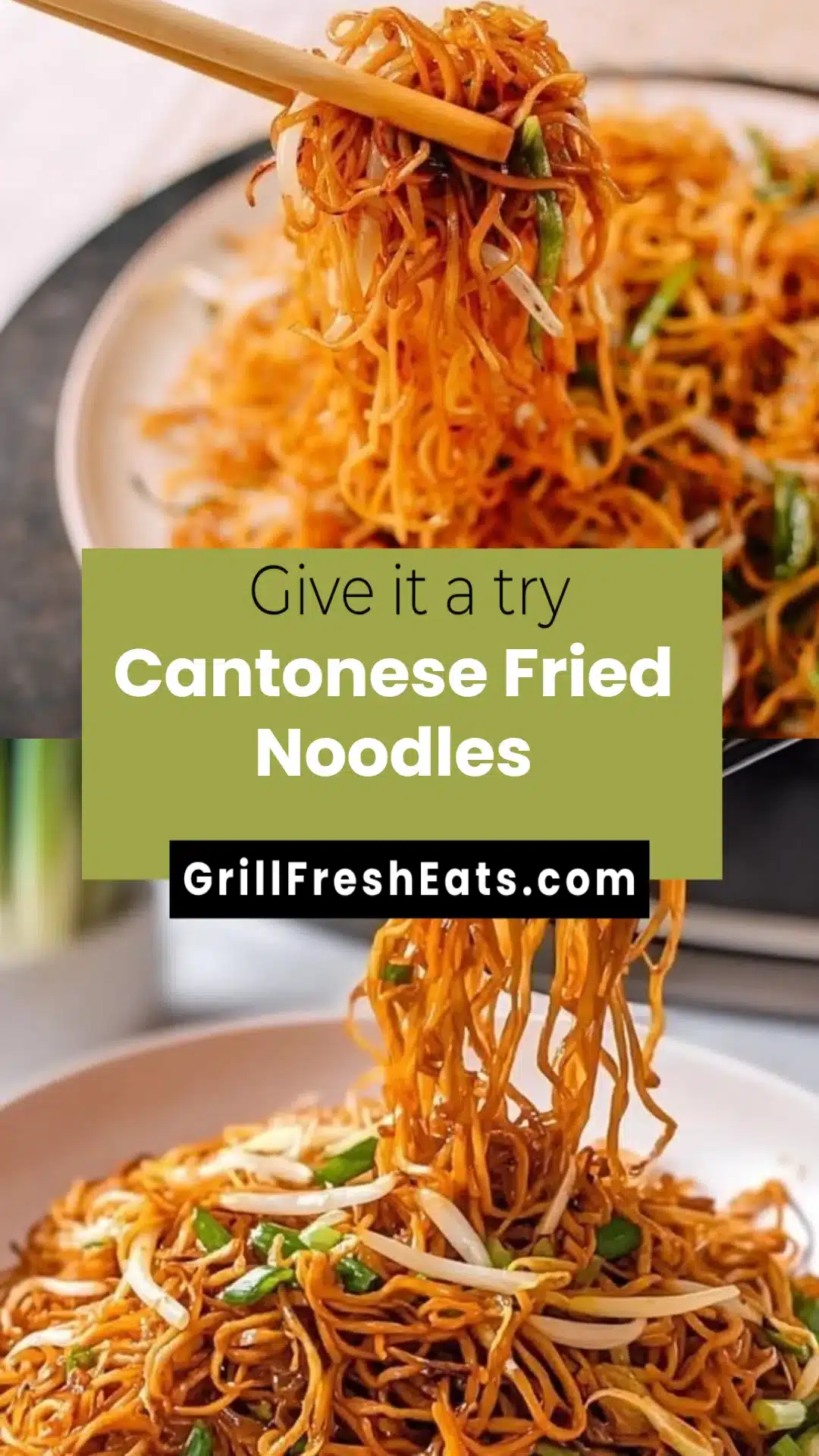
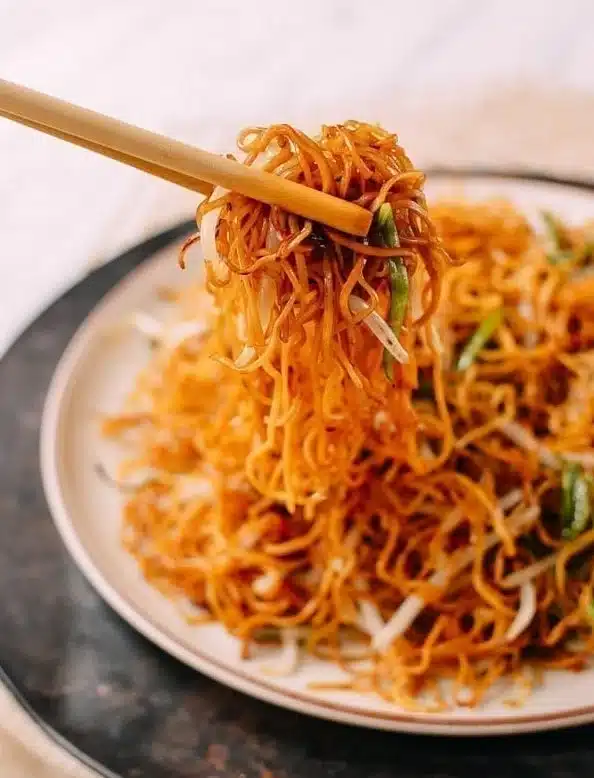
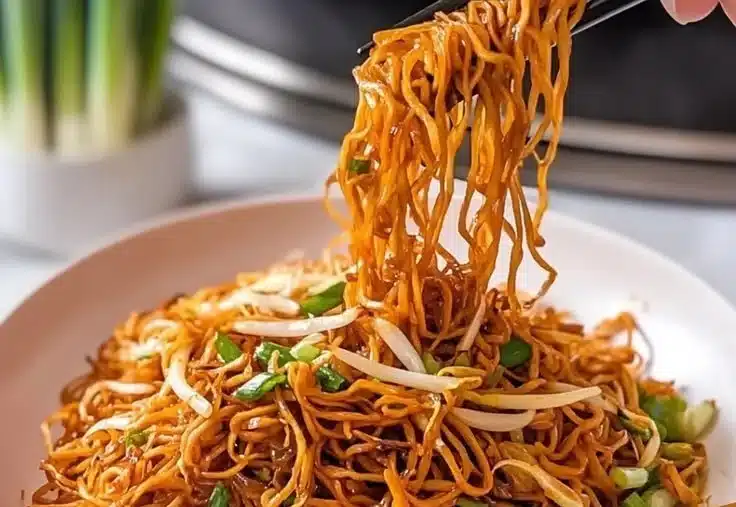
Cantonese Fried Noodles is a classic stir-fried dish that blends wonderful flavors and textures from sautéed vegetables, savory sauces, and your choice of protein. This dish is both nutritious and satisfying, providing a fantastic way to enjoy a meal that pleases everyone at the table.
| Prep Time | Cook Time | Total Time | Servings | Difficulty | Cuisine |
|---|---|---|---|---|---|
| 10 minutes | 15 minutes | 25 minutes | 4 | Easy | Cantonese |
Why This Recipe Works
This Cantonese Fried Noodles recipe works because it highlights the delicate balance of flavors and textures that define Cantonese cuisine. I love how quickly you can prepare this dish, making it a perfect weeknight meal. The use of fresh, mixed vegetables not only adds color and nutrition but also enhances the overall flavor of the dish.
Another reason this recipe is a success is the simplicity of the ingredients. With just a few staples like soy sauce, oyster sauce, and sesame oil, you can create an authentic taste at home. The method of stir-frying ensures that the noodles and vegetables retain their crunch and vibrant colors, elevating the dish’s appeal further.
Ingredients
| Ingredient | Quantity | Notes |
|---|---|---|
| Chow mein noodles | 8 oz | Alternative: Lo mein noodles |
| Mixed vegetables (bell peppers, carrots, broccoli, and bean sprouts) | 4 cups | Use frozen if fresh is not available |
| Soy sauce | 3 tbsp | Low-sodium option available |
| Oyster sauce | 2 tbsp | Vegetarian alternative: mushroom sauce |
| Sesame oil | 2 tbsp | Alternative: vegetable oil for a lighter taste |
| Garlic (minced) | 3 cloves | Fresh garlic is recommended for best flavor |
| Ginger (freshly grated) | 1 inch | Ground ginger can be used, but fresh is superior |
| Green onions (chopped for garnish) | 2 | Can substitute with chives if necessary |
| Cooked protein (chicken, shrimp, or tofu) | 1 cup | Optional, for added heartiness |
Step-by-Step Instructions
Prepare Noodles
Cook chow mein noodles according to package instructions. Drain and set aside.
Heat Oil
In a large pan or wok, heat sesame oil over medium heat.
Sauté Aromatics
Add minced garlic and ginger, sauté until fragrant.
Add Vegetables
Add mixed vegetables and stir-fry until tender.
Combine Noodles
Add cooked noodles to the pan along with soy sauce and oyster sauce. Toss everything together and cook for an additional 2-3 minutes.
Add Protein
If using, add cooked protein and mix well.
Garnish and Serve
Garnish with chopped green onions before serving.
Chef Tips for Perfect Results
- Use high heat for stir-frying to achieve that signature crispness on the vegetables.
- Prep all ingredients before cooking to ensure a smooth cooking process.
- Adjust the sauce to taste; add more soy sauce for saltiness or oyster sauce for deeper flavor.
- Cook protein separately if adding; this prevents overcooking the vegetables and noodles.
- Don’t overcrowd the pan; work in batches if necessary to maintain focus on an even cook.
Common Mistakes to Avoid
- Using cold noodles: This can lead to clumping. Always rinse and drain noodles thoroughly before adding.
- Stir-frying at low heat: This can result in soggy noodles and overcooked vegetables. Ensure a hot pan!
- Skipping the aromatics: Garlic and ginger add essential flavor; don’t overlook them.
- Overcooking the vegetables: This can make them mushy. Stir-fry just until tender and vibrant.
- Neglecting to taste: Always taste as you go to adjust flavors to your preference.
Variations and Substitutions
| Ingredient | Substitution | Impact on Flavor |
|---|---|---|
| Chow mein noodles | Rice noodles | Different texture, but still delicious |
| Oyster sauce | Hoisin sauce | Shifts the flavor profile to a sweeter note |
| Cooked protein | Tempeh | Adds a nutty flavor while being plant-based |
| Mixed vegetables | Any seasonal vegetables | Provides freshness and variety to the dish |
Serving Suggestions and Pairings
Serve Cantonese Fried Noodles alongside Peking Duck for a traditional feast, or pair it with garlic butter noodles for a complementary flavor. This dish is perfect for hosting gatherings or casual weeknight dinners, allowing everyone to enjoy a taste of Cantonese far from home.
Storage and Reheating
| Method | Duration | Instructions |
|---|---|---|
| Refrigerate | 3-4 days | Store in an airtight container. |
| Freeze | 2-3 months | Use freezer-safe bags. Thaw in the fridge before reheating. |
| Reheat in Microwave | 1-2 minutes | Ensure even heating, stir halfway through. |
| Reheat in Pan | 5-7 minutes | Use medium heat and add a splash of water or oil to prevent sticking. |
Nutritional Information
| Nutrient | Amount per Serving |
|---|---|
| Calories | 350 |
| Protein | 20g |
| Carbohydrates | 45g |
| Fat | 10g |
| Fiber | 5g |
Frequently Asked Questions
Can I substitute chow mein noodles for another type of noodle?
Yes, you can use rice noodles or udon noodles as alternatives. Each type will provide a different texture, but they will all work well with the flavors in the dish.
How do I know when the vegetables are perfectly cooked?
The vegetables should be vibrant in color and tender-crisp. Overcooking them will result in a mushy texture, so keep a close eye on them while stir-frying.
Can I make this dish ahead of time?
Yes, freezing is an excellent option if you’re meal-prepping. Just be sure to store it in an airtight container and thaw before reheating.
What’s the best way to troubleshoot if my noodles become mushy?
If your noodles become mushy, ensure you’re using the right cooking time according to the package and avoid overcooking them during the stir-fry phase. Next time, cook them al dente for better texture.
Is there a vegetarian protein alternative?
Tofu or tempeh are excellent vegetarian options that complement the dish beautifully. They absorb the flavor of the sauces wonderfully while providing a hearty texture.
Conclusion
Cantonese Fried Noodles is not just a meal; it’s a delightful experience of flavors and textures. This dish is a perfect way to showcase vibrant vegetables, savory sauces, and your protein of choice. Its signature taste and satisfying nature make it an excellent addition to your cooking repertoire.
Ingredients
Noodles and Sauces
- 8 oz Chow mein noodles Alternative: Lo mein noodles
- 3 tbsp Soy sauce Low-sodium option available
- 2 tbsp Oyster sauce Vegetarian alternative: mushroom sauce
- 2 tbsp Sesame oil Alternative: vegetable oil for a lighter taste
Vegetables
- 4 cups Mixed vegetables (bell peppers, carrots, broccoli, and bean sprouts) Use frozen if fresh is not available
- 3 cloves Garlic (minced) Fresh garlic is recommended for best flavor
- 1 inch Ginger (freshly grated) Ground ginger can be used, but fresh is superior
- 2 Green onions (chopped for garnish) Can substitute with chives if necessary
Protein (optional)
- 1 cup Cooked protein (chicken, shrimp, or tofu) Optional, for added heartiness
Instructions
Preparation
- Cook chow mein noodles according to package instructions. Drain and set aside.
- In a large pan or wok, heat sesame oil over medium heat.
- Add minced garlic and ginger, sauté until fragrant.
- Add mixed vegetables and stir-fry until tender.
- Add cooked noodles to the pan along with soy sauce and oyster sauce. Toss everything together and cook for an additional 2-3 minutes.
- If using, add cooked protein and mix well.
- Garnish with chopped green onions before serving.